After the Ottoman conquest of Rethymno in 1646, the structure of the fortress was largely preserved, although residential buildings increased inside the walls. From the 20th century onward, inhabitants were gradually relocated, and ruined structures were demolished by the municipality, the Archaeological Service, and the Hellenic Tourism Organization in order to restore the historical character of the site.
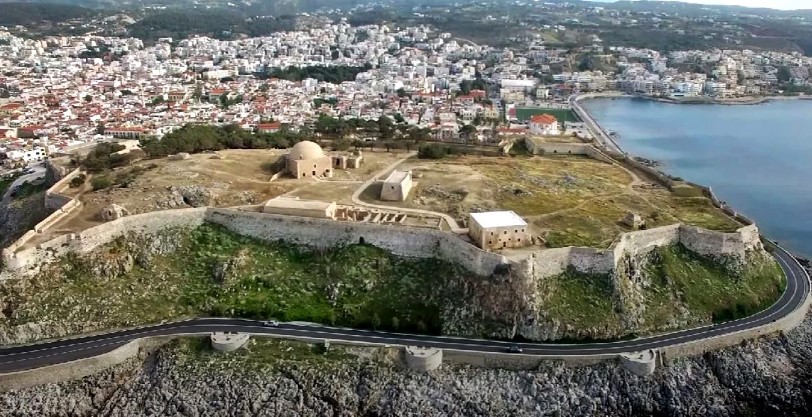
Today, the castle is the most important monument of Rethymno and serves as a venue for cultural events. Important buildings preserved inside include the Sultan Ibrahim Mosque and the Erofili Municipal Theatre, although many Venetian and Ottoman period structures have been demolished.
The fortress perimeter is almost completely preserved and features four main half-bastions, auxiliary projecting defenses, and three gates. The main entrance is located on the eastern side, while secondary entrances are found to the north and west.
Immediately after the main gate are the artillery storage area, the central square of the fortress where the mosque is located, and former ecclesiastical and administrative buildings, as well as possible prison spaces. On the protruding sections of the fortress once stood residences of officials and storage facilities, such as the northern gate complex. Some old buildings of unknown function also survive, along with a small 19th-century chapel, scattered gunpowder magazines, and water cisterns.