

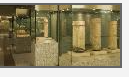
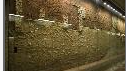
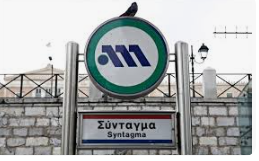


Σε έκταση περίπου 500τ.μ. στο πρώτο υπόγειο του σταθμού ΣΥΝΤΑΓΜΑ, δημιουργήθηκε εκθεσιακός χώρος, στον οποίο εκτίθενται αντίγραφα αλλά και αυθεντικά ευρήματα της ανασκαφής του χώρου του Σταθμού “Σύνταγμα” και της ανασκαφής του φρέατος της Ηρώδου Αττικού, με σκοπό την ενημέρωση των διερχομένων επισκεπτών για την ιστορική και τοπογραφική εικόνα της περιοχής ανά τους αιώνες, στοιχείο ιδιαίτερα ενδιαφέρον για τους πολίτες. Σε ειδικά διαμορφωμένες προθήκες εκτίθενται πρωτότυπα ευρήματα όπως: τμήμα ψηφιδωτού δαπέδου του 4ου-5ου αι. μ.Χ, στελέχη του «Πεισιστράτειου υδραγωγείου», διάφοροι τύποι αγωγών, δακρυδόχοι και οξυπύθμενοι αμφορείς του 2ου-1ου αι. π.Χ, λυχνάρια και αγνύθες διαφόρων τύπων. Επίσης εκτίθενται αντίγραφα επιτύμβιων κιονίσκων ελληνιστικών χρόνων, μαρμάρινης λουτροφόρου του 4ου αι. π.Χ, ιωνικού κιονόκρανου, επιτύμβιας στήλης με αετωματική απόληξη και διαφόρων αγγείων. Σε άλλη προθήκη παρουσιάζεται αναπαράσταση στρωματογραφίας, σειράς δηλαδή επάλληλων αρχαιολογικών στρωμάτων, όπως αυτά συσσωρεύτηκαν με το πέρασμα του χρόνου καθώς και τα κατάλοιπα της ανθρώπινης παρέμβασης στη διάρκεια του χρόνου αυτού. Στη συγκεκριμένη, διακρίνονται, η επιχωματωμένη κατά τους ρωμαϊκούς χρόνους κοίτη του Ηριδανού πλ. 50μ., βόρεια της κοίτης, η αρχαία οδική αρτηρία με τα αναλήμματά της, η οποία καταργείται στα τέλη του 3ου αι. μ.Χ, για να καταληφθεί η επιφάνειά της από τα λουτρά. Σε τομή πάντα, διακρίνεται ταφικός περίβολος και σαρκοφάγος του 4ου αι. π.Χ., πήλινο στέλεχος του Πεισιστράτειου υδραγωγείου, και αρχιτεκτονικά κατάλοιπα του λουτρικού συγκροτήματος.
ΠΗΓΗ:http://odysseus.culture.gr Συντάκτης Κ. Μιχαηλίδου

